Master Authentic Tabbouleh: Your Guide to the Best Lebanese Salad
Step into the vibrant world of Lebanese cuisine, and you’ll inevitably encounter the refreshing, herbaceous delight that is
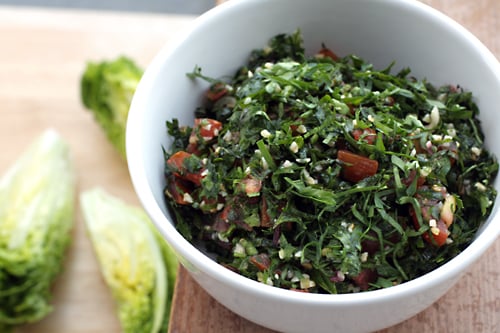
tabbouleh salad. More than just a side dish, authentic tabbouleh is a celebration of fresh flavors, a cornerstone of Middle Eastern tables, and a true testament to the beauty of simple, wholesome ingredients. Often spelled *tabouli* or *tabouleh*, this iconic salad originates from Lebanon, where it holds a cherished place alongside other national favorites like fattoush. If you've ever dreamt of perfecting this green masterpiece, you're in the right place. This comprehensive guide will walk you through everything you need to know to create a tabbouleh salad that rivals the best Lebanese restaurants.
What Makes Authentic Tabbouleh Truly Special?
At its heart, authentic
tabbouleh salad is a testament to fresh ingredients and expert chopping. While many might assume it’s a grain salad, the truth is far more exciting: tabbouleh is fundamentally an *herb salad*. Yes, bulgur wheat is present, but it plays a supporting role, allowing the vibrant flavors of fresh parsley and mint to shine brightly.
This traditional Lebanese dish is a healthy, vegan, and naturally Mediterranean appetizer that brings a burst of flavor to any meal. Imagine a salad so invigorating it feels like a "breath of fresh air," as one culinary expert described it. Its unique combination of bright, fresh herbs, sweet tomatoes, and a sharp lemon dressing creates a symphony of taste and texture that’s both light and incredibly satisfying. Whether served as part of a grand Lebanese spread or enjoyed as a simple, healthy lunch, tabbouleh consistently elevates the dining experience. Its ability to improve whatever it’s paired with makes it an indispensable addition to your culinary repertoire.
The Anatomy of the Perfect Tabbouleh Salad
Crafting the best
tabbouleh salad begins with understanding its core components and the role each plays in achieving that authentic, vibrant flavor profile.
- Parsley: The Undisputed Star
This is non-negotiable. Traditional tabbouleh is overwhelmingly made with fresh parsley. We're talking about a significant amount – bunches, not sprigs! The parsley provides the salad's earthy backbone, vibrant green color, and characteristic texture. It’s not just a garnish; it’s the main event. For an even deeper dive into this green powerhouse, explore The Secret to Perfect Tabbouleh: Why Herbs Are the Main Star.
- Mint: The Refreshing Counterpart
Fresh mint leaves are crucial for adding a cool, peppery counterpoint to the parsley. It brightens the overall flavor and provides that unmistakable refreshing quality that defines authentic tabbouleh.
- Tomatoes: Sweetness and Juiciness
Finely diced ripe tomatoes (such as Roma or plum tomatoes) contribute a subtle sweetness, a touch of acidity, and a pleasant juiciness that complements the herbs. Their vibrant red speckles also add visual appeal.
- Green Onions (Scallions): A Gentle Pungency
Finely chopped green onions provide a mild, slightly pungent onion flavor without overpowering the delicate herbs. They add a fresh, crisp bite and an aromatic layer.
- Bulgur Wheat: The Hearty Subtlety
Bulgur wheat, a parboiled, cracked wheat grain, is what gives tabbouleh its satisfying chew and structure. For authentic Lebanese tabbouleh, *super fine grain (#1)* bulgur is preferred. Unlike coarser bulgur varieties that might need cooking, fine bulgur is traditionally soaked in water (or lemon juice) until tender, then squeezed dry. It expands beautifully and absorbs the dressing. If you can only find other varieties, follow the package directions for cooking or soaking. Remember, bulgur is a supporting actor, not the lead!
- The Dressing: Olive Oil and Lemon Juice
A simple yet powerful combination of fresh lemon juice and high-quality extra virgin olive oil forms the classic dressing. The lemon juice provides essential acidity and brightness, while the olive oil adds a luxurious richness and healthy fats. This dressing marries all the flavors together, creating a harmonious and balanced salad.
- Optional Additions: A Touch of Personal Preference
While the ingredients above form the core of authentic tabbouleh, some variations exist. Diced cucumber is a popular addition in many versions, adding another layer of crunch and freshness. A pinch of red pepper flakes can introduce a subtle, optional heat, elevating the flavor profile without dominating it.
Mastering the Art of Tabbouleh Preparation
Making exceptional
tabbouleh salad isn't complicated, but it does require attention to detail, particularly when it comes to preparation techniques.
The Importance of Fine Chopping
The signature texture of tabbouleh comes from *finely chopping* all the ingredients. This isn't just an aesthetic choice; it ensures that every spoonful delivers a harmonious blend of flavors. While personal preference plays a role, aiming for a very fine dice, especially for the parsley and mint, is key to achieving that traditional texture. A sharp chef's knife and a little patience will yield the best results.
Preparing the Bulgur
As mentioned, if you're lucky enough to find super fine bulgur (#1), a simple soak will do the trick. Place the bulgur in a bowl, cover it with cold water (or freshly squeezed lemon juice for extra tang), and let it sit for about 15-30 minutes until it softens. The crucial next step is to drain it thoroughly and then *squeeze out any excess water*. This prevents your tabbouleh from becoming soggy. If using a coarser bulgur, follow the package instructions, which usually involve simmering it briefly. Once cooked, let it cool and again, gently squeeze out any extra moisture.
Assembling Your Tabbouleh
Once your ingredients are prepped, assembly is straightforward. In a large bowl, combine the finely chopped parsley, mint, tomatoes, and green onions with the prepared bulgur. In a separate small bowl, whisk together the fresh lemon juice and extra virgin olive oil. Pour the dressing over the salad and toss gently to combine. Season generously with salt and black pepper to taste. Some recipes also call for a touch of allspice or a pinch of red pepper flakes, but the core flavors are usually enough.
The Magic of Resting Time
Here's a crucial tip for truly exceptional tabbouleh: it tastes even better when it has time to rest. Just like many traditional dishes, the flavors in tabbouleh need time to meld and deepen. Prepare your
tabbouleh salad at least a few hours before you plan to serve it, or even better, make it the day before. Cover it and refrigerate. As it sits, the bulgur absorbs more of the dressing, and the flavors of the herbs and vegetables become more pronounced and integrated. Give it a good stir before serving and adjust seasoning or add a tiny splash more lemon juice/olive oil if needed.
Serving Suggestions and Pairings
The versatility of
tabbouleh salad is one of its most appealing qualities. It's truly a dish that fits seamlessly into a multitude of dining scenarios.
In Lebanon, it's a staple at virtually every meal, especially during the warmer months. It pairs perfectly with grilled meats like shish tawook, kafta, and beef kabobs, cutting through their richness with its bright, clean flavors. Beyond the grill, tabbouleh is an essential component of any authentic mezze platter, sitting proudly alongside hummus, baba ghanoush, falafel, feta cheese, and olives.
But its utility extends far beyond traditional Lebanese spreads. Tabbouleh makes for a fantastic healthy vegan Mediterranean salad for summer meals, whether you're planning a picnic, a backyard barbecue, or simply looking for a light and invigorating lunch. It can be enjoyed on its own, served as a refreshing side with fish or chicken, or even tucked into pita bread with other fillings. The options are truly endless for this vibrant salad.
Why Tabbouleh is More Than Just a Salad
Beyond its delicious taste and beautiful presentation,
tabbouleh salad offers a wealth of benefits and cultural significance. Nutritionally, it’s a powerhouse. Packed with fresh herbs, it’s rich in vitamins, minerals, and antioxidants. The olive oil provides healthy monounsaturated fats, while the bulgur and vegetables offer fiber, aiding digestion and promoting satiety. It’s naturally vegan and low in calories, making it an excellent choice for a healthy, balanced diet.
Culturally, tabbouleh is a symbol of Lebanese hospitality and culinary heritage. It's a dish passed down through generations, often made with love and shared with family and friends. The act of finely chopping the ingredients is almost meditative, connecting the preparer to centuries of culinary tradition. It's a dish that evokes warmth, community, and the simple joy of fresh, wholesome food.
Embrace the Tabbouleh Journey
Creating your own authentic
tabbouleh salad is a rewarding culinary journey. From the crisp freshness of the parsley and mint to the subtle chew of the bulgur and the zesty kick of the lemon dressing, every element contributes to a symphony of flavors that is both invigorating and deeply satisfying. Follow these guidelines, embrace the process of fine chopping, and allow the flavors to meld, and you'll soon be mastering a dish that’s not only incredibly delicious but also a beautiful reflection of Lebanese culinary tradition. Get ready to impress your guests and invigorate your palate with this timeless, herbaceous delight!